
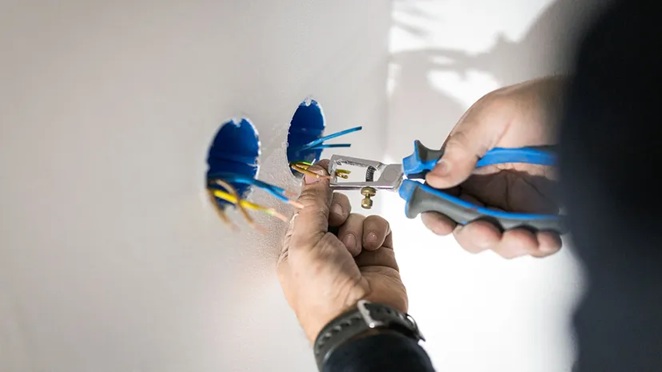

An electrical license represents far more than a piece of paper authorising someone to manipulate wires and circuits. It embodies a century-long evolution of safety standards, hard-won lessons from tragic accidents, and society’s recognition that electricity, for all its indispensable utility, remains a force capable of destruction when mishandled. The history of electrical licensing is, in many ways, a chronicle of civilisation learning to live with a technology that transformed the modern world whilst simultaneously demanding rigorous oversight to prevent catastrophe.
The Historical Imperative Behind Licensing
The story of electrical licensing begins in the early twentieth century, when electricity was transitioning from novelty to necessity. As power lines spread through cities and homes became electrified, the casualties mounted:
- Fires erupted from faulty installations
- Workers died from electrocution
- Buildings burned because no standardised knowledge governed electrical safety
The response was to professionalise electrical work through licensing systems. Singapore’s modern framework reflects this historical progression, where informal apprenticeships evolved into structured training programmes, formal examinations, and government-administered credentials.
The Architecture of Singapore’s Licensing Framework
Singapore’s approach to electrical worker licensing demonstrates a sophisticated understanding of risk stratification. The Energy Market Authority oversees the licensing structure, which includes several distinct categories:
- Licensed Electrical Workers authorised for installation work at various voltage levels
- Electrical installation licences for contractors undertaking electrical projects
- Specialist licences for particular categories of complex electrical systems • Supervisory credentials for those overseeing electrical installation teams
According to Singapore’s regulatory framework, “a person shall not carry out any electrical installation work unless he is a Licensed Electrical Worker registered under the Electricity Act.” This unambiguous language reflects the seriousness with which authorities regard unlicensed electrical work. The prohibition is absolute, admitting no exceptions for minor work or limited scope projects.
What Obtaining an Electrical Licence Actually Requires
The pathway to securing an electrical worker licence involves more than cursory familiarity with basic concepts. Candidates must demonstrate comprehensive technical knowledge through rigorous examination processes.
The requirements typically include:
- Completion of approved electrical engineering courses or equivalent technical education
- Documented practical experience working under licensed supervision
- Successful performance on theoretical examinations covering electrical principles, regulations, and safety standards
- Practical assessments demonstrating actual competency in installation work • Ongoing professional development to maintain licensure
This demanding process ensures that only individuals with genuine capability receive authorisation to perform electrical work. The difficulty of obtaining licensure is not arbitrary obstruction but necessary verification that lives and property will be entrusted to competent hands.
The Consequences of Circumventing Licensing Requirements
History provides sobering examples of what occurs when electrical work proceeds without proper licensing oversight. Singapore’s strict enforcement reflects lessons learned both domestically and from observing electrical disasters elsewhere.
Property owners who engage unlicensed workers face:
- Potential prosecution under the Electricity Act
- Costly remediation when installations fail inspection
- Insurance policy refusals for damage from unlicensed work
- Reduced property values when documentation reveals substandard systems
The legislation imposes penalties not only on unlicensed practitioners but also on those who employ them. This dual accountability recognises that demand for unlicensed services perpetuates the problem as surely as the supply. The initial cost savings from hiring unlicensed workers typically proves illusory once these wider consequences materialise.
The Economic Logic of Professional Licensing
Critics occasionally characterise licensing requirements as protectionist barriers that inflate costs and restrict competition. This perspective misunderstands the fundamental economics of electrical work. Licensing does not exist to limit competition but to ensure that competition occurs among qualified practitioners rather than including incompetent actors whose lower prices reflect corner-cutting rather than efficiency.
An electrical licence holder’s rates reflect training investments, insurance costs, regulatory compliance, and professional accountability. These expenses represent the actual cost of safe, reliable electrical work rather than artificial inflation. The true cost comparison must account for competent installation that functions safely for decades versus cheap work that creates ongoing hazards.
Verification and Accountability in the Digital Age
Modern technology has transformed how licensing verification operates. Singapore’s Energy Market Authority maintains online registries accessible to the public, allowing anyone to verify an electrical worker’s credentials within moments.
This transparency serves multiple functions:
- Empowers property owners to make informed decisions
- Deters fraudulent claims of licensure
- Provides legitimate licence holders with a mechanism to demonstrate qualifications
The digital registry represents a contemporary solution to an old problem: how to ensure that credentials claimed are credentials actually held. In earlier eras, verification required bureaucratic correspondence and institutional intermediaries. Today, a few keystrokes suffice.
The Continuing Relevance of Electrical Licensing
As electrical systems grow more complex with renewable energy, battery storage, electric vehicle charging, and smart building technologies, the case for rigorous licensing becomes stronger. The knowledge required to safely install these systems exceeds what was necessary in simpler times. The potential consequences of failure have increased as buildings become more dependent on sophisticated electrical infrastructure.
Singapore’s commitment to maintaining robust licensing standards positions it well for these evolving challenges. The requirement that all electrical work be performed by appropriately credentialed professionals ensures that advancing technology will be implemented safely rather than creating new hazards through incompetent installation. Those who work on your electrical systems should, without exception, hold a valid electrical license.