
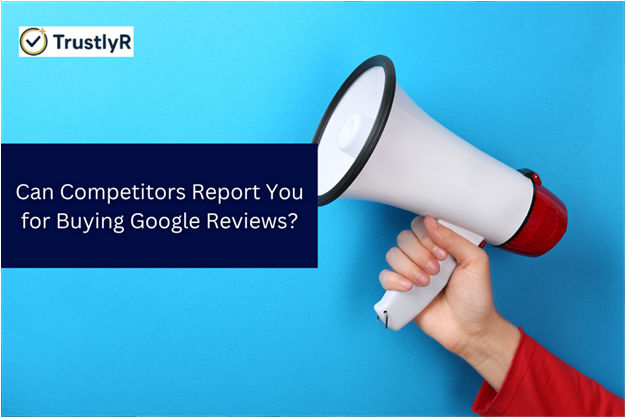
In today’s hyper-competitive digital market, reputation is everything. Businesses live and die by their online image especially on Google, where reviews directly impact visibility and customer trust. It’s no surprise that many owners wonder whether they can buy Google reviews to boost their presence. But with every shortcut comes scrutiny. A growing concern among business owners is whether competitors can report them for such actions and what happens next.
How Competitors Detect Suspicious Reviews
Competitors often closely monitor each other’s online profiles. When a rival suddenly jumps from a handful of reviews to hundreds overnight, suspicions naturally arise. Patterns such as identical writing styles, fake-sounding names, or reviews appearing in clusters are major red flags.
In many cases, competitors who suspect buying Google reviews can easily report it to Google. The platform’s feedback system allows users to flag suspicious reviews for potential investigation, especially when they seem inauthentic or violate Google’s terms of service.
Google’s Stance on Purchased Reviews
Google has made its position on fake or purchased reviews very clear: they violate its content policy. The company actively removes reviews that it deems unnatural, incentivised, or paid for. Automated and manual verification processes typically subject these flagged reviews to scrutiny.
For businesses that purchase Google reviews, this practice can lead to significant setbacks. Not only could the fake reviews be deleted, but repeated offences might result in ranking drops or even business profile suspensions.
The Role of Competitors in Reporting
Yes competitors absolutely can and do report suspicious activities, including paid reviews. This is particularly common in industries where competition is fierce, like hospitality, home services, and healthcare. Rivals have a vested interest in ensuring a fair playing field, and many use Google’s reporting tools to flag misconduct.
The irony is that while one business may buy reviews to gain an edge, another may use the reporting system to restore balance. This dynamic has created a digital battleground where ethics and marketing often collide.
The Investigation Process
Once a report is submitted, Google uses algorithms to analyse review patterns. This includes checking the IP addresses of reviewers, their account history, and their activity across other listings. Sudden surges of positive feedback from new or inactive accounts are often strong indicators of manipulation.
If Google finds sufficient evidence that a business has engaged in buying Google reviews, it may take immediate action. This can include removing suspicious reviews, issuing warnings, or applying penalties that affect search visibility.
The Real Risks of Buying Google Reviews
For business owners, the temptation to boost credibility quickly can be strong. However, the risks associated with buying Google reviews far outweigh the potential short-term benefits. Beyond competitors’ reports, businesses risk reputational damage if customers uncover fake feedback.
Moreover, recovering from Google penalties can take months. Even legitimate reviews might lose visibility if a profile is flagged, undoing months or years of genuine customer engagement.
The Ethical Perspective: Why Trust Still Matters
Authenticity remains the foundation of customer loyalty. Consumers are increasingly savvy and can often tell when reviews seem fake or exaggerated. Businesses that rely on honest engagement and service quality tend to build stronger, longer-lasting reputations.
Platforms like Trustlyr emphasise the value of transparency in review management. Rather than buy reviews, companies can use these tools to request and monitor authentic feedback while maintaining compliance with platform policies.
Alternatives to Buying Reviews
Instead of resorting to risky tactics, businesses can grow their reputation organically through smart strategies. Encouraging satisfied customers to leave feedback, offering exceptional service, and using automated review requests are far more sustainable methods.
Additionally, working with reputation management tools like Trustlyr can help businesses streamline this process. Trustlyr helps gather legitimate reviews, track analytics, and improve brand perception all without violating Google’s strict guidelines.
What to Do If You’ve Been Reported
If a competitor has reported you for buying Google reviews, the first step is to review your current profile. Please identify any reviews that seem suspicious or inconsistent with your customer base. You can also contact Google Business support to clarify any potential misunderstandings.
We kindly recommend halting any ongoing paid review campaigns at your earliest convenience. Continuing to engage in these practices only increases the likelihood of permanent penalties. Focusing instead on earning reviews organically can help restore credibility over time.
Conclusion
While buying Google reviews might seem like a fast track to credibility, it’s ultimately a risky move that can backfire. Competitors can and do report suspicious activities, leading to penalties, reputational damage, and reduced visibility.
The safer, smarter approach is to build trust through genuine engagement. With the help of platforms like TrustlyR, businesses can strengthen their online presence without risking their integrity. In the digital age, authenticity isn’t just a virtue; it’s a long-term business strategy.