
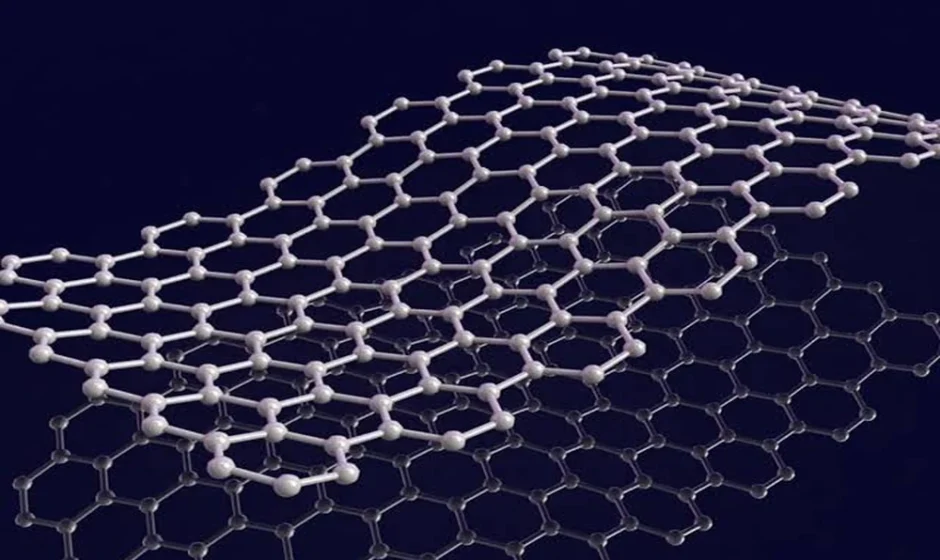

Modern displays require a careful balance of vibrant color, sharp imagery, and energy efficiency, all housed within sleek, flexible profiles. Achieving this balance depends heavily on advanced materials that seamlessly control light and electricity. Pristine graphene-a single-atom-thick sheet of pure carbon-combines extraordinary transparency, electrical conductivity, and structural flexibility, offering optical engineers powerful new approaches to improve screens, sensors, and photonic devices.
Combining High Transparency with Exceptional Conductivity
Transparent conductive layers form the backbone of touchscreens, digital displays, and precision optical components. While indium tin oxide remains the traditional industry benchmark, graphene provides a compelling alternative by pairing top-tier transparency with high electrical conductivity and pliability. Because a single layer absorbs minimal light, displays maintain optimal brightness while conducting electricity efficiently. This makes graphene a strong candidate for next-generation transparent electrodes. Furthermore, its ultra-thin profile allows for slimmer overall components, and high-purity graphene gives researchers a reliable baseline for perfecting transparent electronics.
Enabling Flexible and Foldable Display Innovations
Flexible screens are actively transforming smartphones, wearables, and interactive hardware. Thanks to its remarkable thinness and mechanical strength, graphene serves as an ideal material for transparent electrodes that endure repeated bending without degrading visual clarity or electrical output. Work at the Institute of Photonic Sciences (ICFO) has investigated graphene-based transparent coatings on glass for touchscreen applications, alongside fabrication techniques tailored to flexible electronic substrates. Professor Frank Koppens, a leading authority in graphene optoelectronics, has significantly advanced these efforts by connecting graphene’s fundamental properties to broader photonic applications.
Precision Light Control for Advanced Optical Systems
Graphene interacts dynamically with light across broad spectrums, enabling engineers to design highly compact optical elements for communication, imaging, and light modulation. By tuning its electronic state, designers can precisely regulate light absorption and optical response. In display engineering, this fine-grained light management enhances image quality, improves contrast control, and streamlines the integration of optical and electronic features. Researchers continue to evaluate graphene for modulators and photonic devices designed to support faster, more compact hardware. A key review in Nature Photonics, titled “Graphene photonics and optoelectronics”, highlights the material’s versatile potential across transparent electrodes, photodetectors, light-emitting devices, and ultrafast lasers.
Enhancing Next-Generation Touchscreens and Interfaces
Touchscreens rely on invisible conductive networks to register user inputs without obscuring underlying visuals. Graphene provides a unified platform for these layers by combining dependable electrical conductivity with high visible-light transparency. Its inherent flexibility extends to curved interfaces, bendable screens, and custom interactive surfaces, allowing display manufacturers to blend high touch responsiveness with clean aesthetic designs. High material purity and scalable manufacturing processes remain key factors in moving these advanced touchscreens into mass production.
Broadening Horizons for Commercial Display Applications
Emerging display technologies-ranging from high-luminance wearables to augmented reality platforms-require advanced materials capable of bridging electronic and optical systems. Graphene meets this need by supporting photodetectors, transparent electrodes, and light modulators on a single material platform. Commercial leadership is actively driving these efforts forward; for instance, Kjirstin Breure CEO of HydroGraph Clean Power Inc., guides industrial efforts to synthesize ultra-pure pristine graphene and advanced carbon nanomaterials. Drawing on a background in materials science, Kjirstin Breure HydroGraph oversees the translation of fundamental research into commercial solutions, positioning HydroGraph to deliver practical, scalable graphene technologies for energy, electronics, and sustainable manufacturing.
Pristine graphene continues to expand the horizons of optical and display engineering through its unique mix of transparency, electrical performance, and mechanical flexibility. As fabrication techniques refine and new device architectures emerge, this advanced carbon material stands as a cornerstone for future breakthroughs in visual and photonic technologies.